

How Much Should I Feed My Puppy?


By Purina Pet Expert Team
Updated: 8/14/20262-4 minutes


The decisions you make about your puppy’s nutrition will affect his growth, development, and even his behavior.
Feeding your puppy a high-quality complete and balanced puppy food helps set him up for a long and healthy life as an adult dog. This raises a lot of questions for first-time (and even veteran) puppy owners, though.
How much should you feed your puppy and when? When should you stop feeding puppy food?
Our experts answer your questions and offer advice to help set you and your puppy up for success.
What to Feed a Puppy
When it comes to feeding puppies, there are a lot of factors to consider. Overall nutrition, breed size, and the type of food all play a role. Here’s what you need to know:
Puppy Nutrition
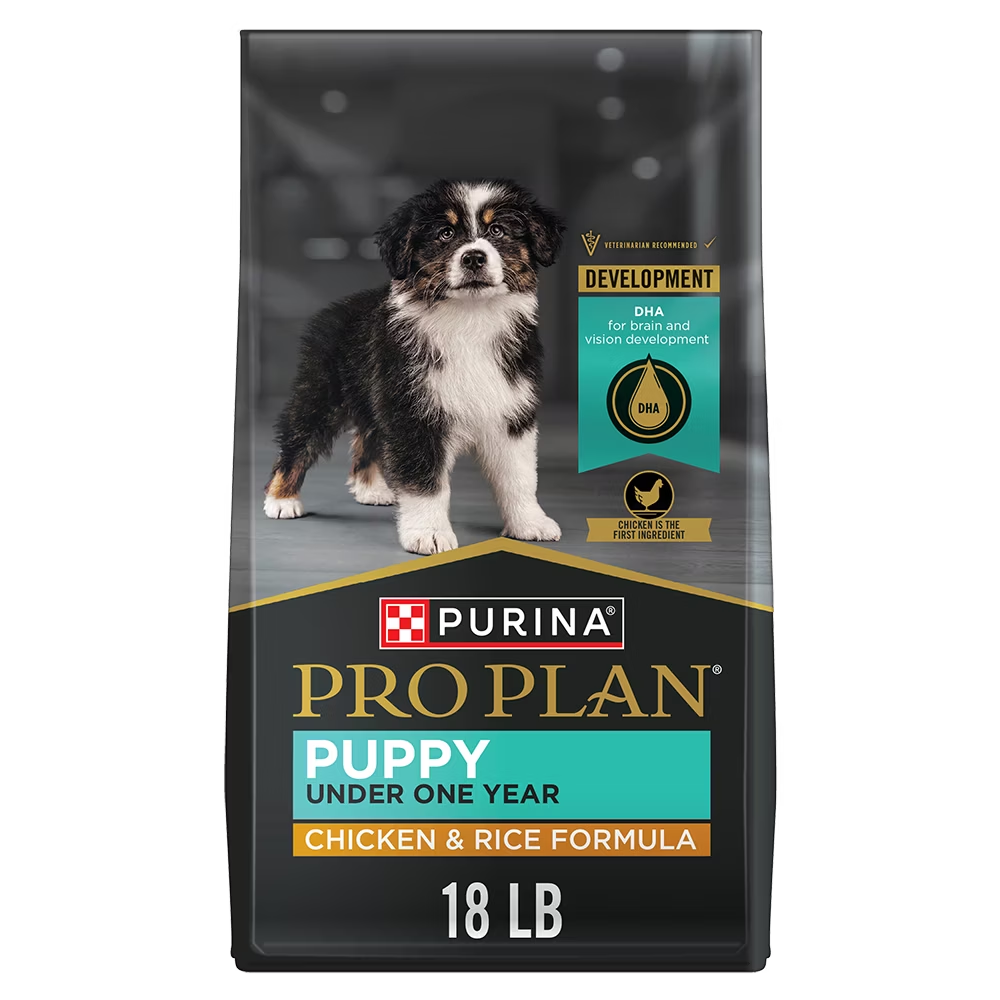
Puppies need puppy food. Feeding puppies a complete and balanced puppy food ensures they get the proper nutrition to develop and grow into healthy adult dogs.
Puppy foods are formulated with a balance of nutrients to help puppies grow up healthy and happy. Look for formulas rich in high-quality proteins to support their growing bodies. Fat and carbohydrates supply the energy active and playful puppies need, while calcium supports developing teeth and bones and DHA helps support healthy brain and vision development.
Feeding Puppies Large & Small
Not only do puppies need puppy food, but certain breed sizes can benefit from size-specific formulas.
If you have a large-breed puppy, he may benefit from a large breed–specific puppy formula. Small breeds can also benefit from small breed–specific puppy formulas. Regardless of breed size, the food should be complete and balanced for growing puppies.
The difference in formulas comes down to the unique needs of large and small breeds. Large dogs have a higher risk of developing joint problems, so a large-breed puppy food should include proper levels of nutrients to support their healthy growth and development.
Small breeds may prefer smaller kibble so they can more easily chew their food, which helps ensure they get all the nutrients they need.
According to Purina Veterinary Nutritionist Dr. Martha Cline, “Small breed–specific dog food is important due to their increased metabolism. This results in a nutrient-dense, high-energy formula, which adults and puppies need to support a healthy lifestyle.”
Small breed–specific dog food is important due to their increased metabolism. This results in a nutrient-dense, high-energy formula, which adults and puppies need to support a healthy lifestyle.
– Dr. Martha Cline, Purina Veterinary Nutritionist
Dry vs. Wet Puppy Food
Although dry kibble is a popular choice, it’s not the only option. As you walk the dog food aisles, you may see both dry and wet puppy foods.
This can make it harder to decide what to feed your puppy. Fortunately, as long as both the wet and dry formulas are complete and balanced for growing puppies, you can feed either one to your pup with confidence.
You and your puppy may have a preference when it comes to dry versus wet. Feeding a combination of the two is also an option.
Dr. Cline explains, “If you’re feeding your puppy a combination of wet and dry food, it is extremely important to ensure the total caloric value does not fall short or exceed their daily energy requirement. Use the calories reported on the package to understand how much wet food will replace the dry and vice versa. This allows you to calculate the amount of each product needed to meet your puppy’s energy and nutritional requirements.”
“For example,” Cline states, “one 13-ounce can of wet puppy food may contain 475 kilocalories and replace approximately 1 cup of a dry puppy formula with a similar value of kilocalories per cup. In this scenario, you could substitute a 13-ounce can of wet food for 1 cup of the daily dry food recommendation.”
“Remember puppies will grow at various rates and body condition may change rapidly,” she says. “As a result, it is extremely important to monitor your puppy’s body condition and adjust calorie intake as needed to prevent over- or underfeeding your puppy,” Cline continues.
The brand websites and your veterinarian are great resources and can help you develop a feeding plan specifically for your puppy’s needs.
How Much to Feed a Puppy
Now you know what to feed your puppy, but just how much food does he need each day? Because puppies grow at such fast rates, they need to start eating a complete and balanced puppy food as soon as they’re weaned, usually between 6 and 8 weeks.
The amount of food your puppy needs depends on how much he’ll weigh at maturity. A Labrador Retriever will weigh more at maturity than a Russell Terrier, for example. So, the larger dog requires more food as a puppy.
The best bet is to review the specific feeding instructions on the back of his puppy food and consult with your veterinarian. You can also try Purina’s Dog & Cat Food Calculator for a more personalized feeding guide.
When to Feed a Puppy
Once you know the daily feeding amount, you need to create a puppy feeding schedule. Take the total amount of food your puppy needs each day and divide that into two to three smaller meals. Give those smaller amounts to him at regular intervals each day.
An easy puppy feeding schedule to follow is to feed him when you eat: at breakfast, lunch, and dinner.
Remember to feed him early in the evenings so he has time to digest his food before bedtime. This can help prevent accidents inside. Consistency is key. Feeding puppies at consistent times each day helps them get used to the routine.
When to Stop Feeding Puppy Food
Eventually, you’ll need to stop feeding puppy food and switch him to a complete and balanced adult dog food.
This transition is dictated by breed size, just as the amount to feed a puppy depends on his breed. Giant breeds may take longer to reach full maturity, so he may need puppy food for up to two years.
In general, however, expect to make the transition to adult dog food between one and two years of age.
Talk with your veterinarian to determine the right time to make the switch and for tips on making the change easy on your pup.
What About Puppy Treats?
How can you resist rewarding your puppy with some tasty treats? In fact, treats make an effective training tool.
It’s important to keep the 90/10 rule in mind, whether you’re rewarding your puppy for good behavior or just want him to feel loved. Of his daily calories, 90 percent should come from his complete and balanced puppy food. The other 10 percent can come from treats.
Following the 90/10 rule can help prevent weight gain and other health problems in adulthood.
Those puppy eyes are hard to resist, but remember, you’re building and training a dog. Don’t give in to feeding him human food when he begs. Not only are some human foods toxic to dogs, but you’re rewarding undesirable behaviors, which will be harder to break later.
By referencing the puppy feeding chart above and following the 90/10 rule, you can set your pup up for a long, healthy, and happy life with you. Explore all our puppy food options to find a tasty formula he’ll love.
Get More Personalized Pet Care with the myPurina App
Make pet care even more rewarding with the myPurina app. Create a pet profile, get personalized food recommendations, and use our new chatbot, Ask Allie, for helpful pet care guidance when you need it. You can also explore Happi, an exclusive dog and cat enrichment program for myPurina users that offers bite-sized activities designed to help make quality time with your pet more meaningful. Plus, earn Purina Rewards points on eligible purchases from your favorite Purina brands. Download the app to access savings, offers and rewards designed for you and your pet.
For more tips on puppy nutrition, behavior, and more from our experts, visit our Pet Expertise page.



How Much Food Is Right for Your Pet?
Get a personalized feeding guide for your dog or cat from Purina’s nutrition experts.